Brush Strokes Canva Frame Template: Create Your Own Art
There’s a certain energy to a hand-painted brush stroke. It’s organic, imperfect, and full of personality. In a world of clean digital lines, that raw, artistic quality can stop a scroll, capture attention, and make a design feel genuinely human. But what if you’re not a painter? Or what if you need that specific, textured look for a brand project but lack the time or resources to create it from scratch? This is where a practical design asset like the Brush Strokes Canva Frame Template comes into play, offering a straightforward path to incorporating that handcrafted aesthetic into your work.
Understanding the Brush Strokes Canva Frame Template
At its core, this is a customizable template designed for Canva, a tool millions already use. Think of it not as a traditional font, but as a collection of pre-designed, high-quality brush stroke shapes and frames. These aren't just simple outlines; they carry the texture, opacity variations, and organic flow of real paint. The "personality" is bold, expressive, and slightly irregular, making it perfect for projects that need a touch of warmth, creativity, or artistic flair. It’s a premium font alternative in the sense that it provides a distinct, curated visual style, but its application is more flexible—functioning as a set of design assets for framing and embellishing.
The appeal lies in its immediacy and versatility. You’re not starting from zero. Instead, you have a library of artistic elements ready to be integrated. The visual style avoids the stiffness of perfect digital shapes, lending a more authentic and approachable feel to any composition. Whether you're designing a logo, a social media post, or an invitation, these strokes add a layer of texture and movement that standard shapes simply can't match.
Practical Applications Across Creative Projects
The true value of the Brush Strokes Canva Frame Template is revealed in its wide range of applications. For entrepreneurs and small business owners developing a brand identity, these strokes can be used to create unique logo elements, social media headers, or website accents that feel handmade and distinctive. Imagine a café using a bold brush stroke to frame its daily specials menu on Instagram, or a wellness brand using a soft, watercolor-style stroke behind its tagline—it instantly communicates a certain vibe.
For marketers and content creators, the templates are a game-changer for visual hierarchy and audience engagement. Use a vibrant stroke to highlight a key statistic in a presentation, frame a quote in a blog post graphic, or create eye-catching thumbnails for videos. The organic shapes naturally draw the viewer's eye, improving readability and making information feel more digestible. In editorial design, they can break up dense text layouts, add section dividers, or give a magazine-style feel to digital publications.
Crafters and hobbyists will find endless uses for personal projects. Design custom greeting cards, wedding invitations, party decorations, or artwork for your home. The ability to simply drag and drop your own photos or patterns into the frame shapes means you can create cohesive, personalized pieces in minutes. For those selling digital or physical products, these finished designs can be sold as prints, stickers, or digital downloads, provided you adhere to the licensing terms.
How to Use It: A Step-by-Step Guide
Getting started is designed to be simple, requiring no advanced design skills. Here’s the practical workflow:
- Purchase and Access: After your purchase, you’ll receive a PDF with a direct link to the Canva template. Click the link, and it will open in your Canva account.
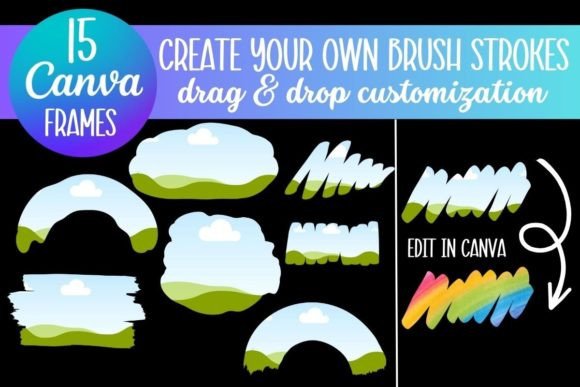
- Customize in Canva: The template will appear in your Canva editor. All the brush stroke frames are separate, movable elements. You can resize them, change their color, and adjust their position on your canvas.
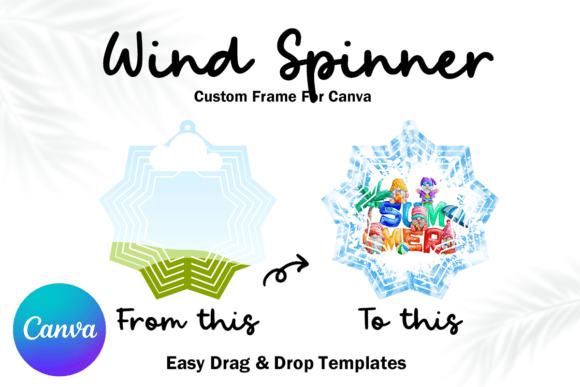
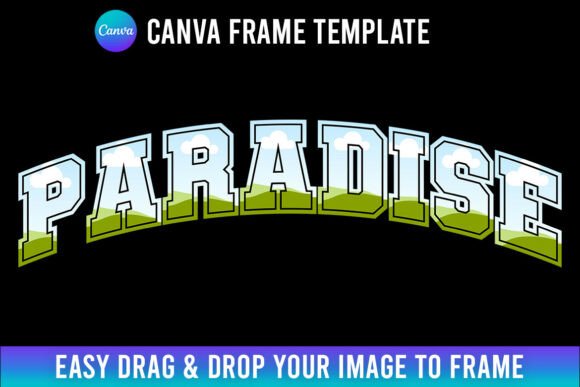
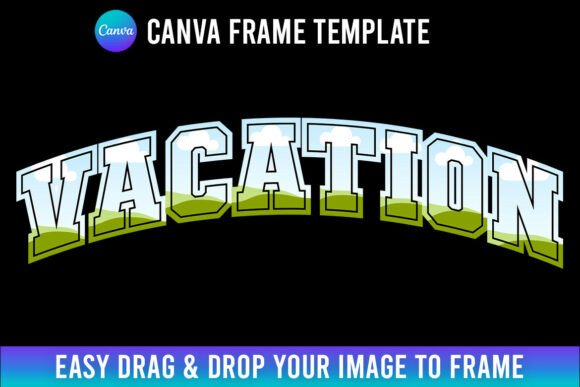
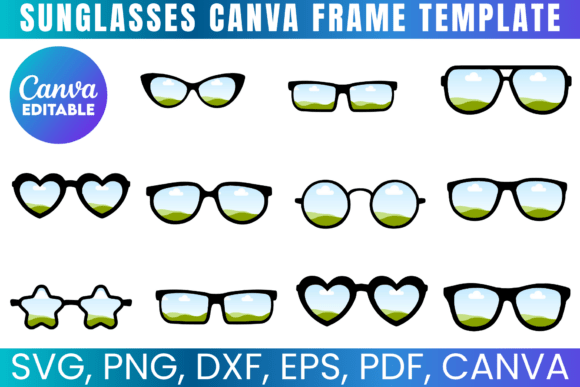
- Drag & Drop Your Content: This is the core functionality. Upload your own background image, photograph, pattern, or artwork into Canva. Then, simply drag it and drop it into one of the brush stroke frame shapes. Canva will automatically clip your image to fit the shape.
- Finalize and Download: Once your design is complete, download it in your preferred format. A free Canva account allows you to download standard PNGs, JPGs, and PDFs. For a transparent PNG (with no background), which is essential for layering the stroke over other designs or using it as a logo element, you will need a Canva Pro account. Students and educators can often access Pro for free.
Remember, you are working within Canva's ecosystem. A free account is perfectly sufficient for most uses, especially if you plan to use the design with a solid background color. The Pro feature for transparent exports is a significant upgrade for professional use cases.
Making the Most of Your Design Asset
To ensure your final product is effective, keep a few practical considerations in mind. First, think about font pairing. If you’re adding text to your design, choose typefaces that complement the brush stroke's style. A clean, modern sans serif font often provides a nice contrast to the organic brushwork, ensuring legibility. A simple serif font can also work for a more classic, elegant look. Avoid pairing it with another highly decorative or script font, as it can become visually cluttered.
Second, consider the context of your project. For web design or social media graphics, bold, high-contrast strokes work well at smaller sizes. For packaging design or large prints, you might want to use strokes with more subtle texture and detail. Always test your design at the intended size and medium to check for readability and overall impact.
Finally, treat the Brush Strokes Canva Frame Template as a starting point, not a rigid constraint. Experiment with layering multiple strokes, combining them with other Canva elements, or using them as subtle background textures. The goal is to integrate these artistic elements in a way that feels intentional and enhances your message, whether you're building a cohesive brand identity or creating a one-off piece of art.