Design Your Own Fairy Tarot Deck with This Canva Template
Creating a custom tarot deck is a deeply personal and rewarding project, but the technical design work can feel overwhelming. The Fairy Tarot Card & Guide Canva Template is built to solve that exact problem. It's not a finished deck you buy off the shelf; it's a comprehensive creative kit. This package provides the foundational design assets and structure, allowing you to focus your energy on the artistic direction, the mystical theme, and the unique narrative you want your deck to tell. It’s designed for creators who have a vision but need professional tools to execute it without a steep learning curve.
What's Inside the Creation Kit
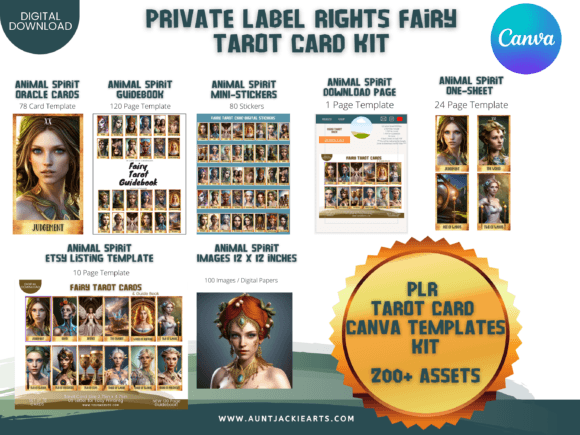
Think of this as a complete workshop for your tarot project. The kit is built around Canva, a platform familiar to most digital creators, which means you don't need expensive software like Adobe Illustrator or Photoshop to get started. The core of the offering is a set of 78-page tarot card templates. Each page is dedicated to a single card, giving you a clear, structured canvas for your art and text. This is where you'll apply your chosen typeface for card names and numbers, ensuring consistent visual hierarchy across the entire Major and Minor Arcana.
Beyond the cards themselves, the kit addresses the entire ecosystem of a tarot product. You get a 120-page guidebook template. This is crucial for adding depth and value to your deck. A well-designed guidebook, with thoughtful editorial design, transforms a set of cards into a complete spiritual tool. The templates for listing images and a download page are strategic assets for anyone planning to sell their deck on platforms like Etsy or their own website. They help you maintain brand consistency from the first click to the final download.
The practical print-ready files are a major time-saver. The 24-page PDF template arranges the cards four-to-a-page, formatted for standard printing. This is a direct solution to a common technical headache for independent publishers. Furthermore, the inclusion of 100 12x12 fairy tarot images provides a rich visual library. These aren't just the card illustrations; they're additional assets you can mix and match. This is perfect for creating bonus materials, social media content, or even customizing the guidebook with unique borders and backgrounds. The 80 mini-sticker templates are a clever addition, appealing to the crafting community and offering another product or marketing asset.
Who This Kit Serves and Why It Works
This isn't a tool for everyone, and that's by design. Its strength lies in its specificity. The ideal user is a creative entrepreneur, a spiritual blogger, or an artist with a defined aesthetic. If you're a designer building a brand identity for a client in the wellness or mystical space, this kit provides a proven framework. For a small business owner, it's a way to create a high-quality, professional product—the deck and guidebook—without hiring a full design team. The Canva templates lower the barrier to entry significantly.
The visual style implied by the "Fairy Tarot" theme is one of ethereal beauty, softness, and enchantment. The templates are designed to complement such artistry, not overpower it. They likely use clean layouts that let the fairy illustrations breathe, with space for elegant script fonts or clean sans serif fonts for readability. The overall appeal is one of organized creativity. It gives you a professional skeleton so your unique artistic flesh can shine. This approach influences key aspects of the final product's success.
Using this structured template system directly impacts readability and professionalism. A consistent layout across 78 cards helps users intuitively navigate the deck. The guidebook template ensures that interpretations are presented in an organized, easy-to-follow manner. This consistency builds trust and recognition. When someone picks up your deck, the harmonious design—achieved through these design assets—signals quality and care, which elevates the perceived value of your work and strengthens audience engagement.
Practical Guidance for Using the Kit
Getting started requires a plan. First, choose your core typography. The templates will have placeholder text, but selecting your own font pairing is one of the first steps in making the deck yours. You might choose a premium display font for card titles to convey magic and importance, paired with a highly legible body font for the guidebook. Test your chosen fonts within the templates to ensure they work at the required sizes, especially for the smaller sticker text.
Next, think about customization beyond the images. While you have 100 fairy images, consider the color palette. Use Canva's tools to adjust background colors, add subtle textures, or incorporate complementary graphics. The goal is to create a cohesive look that feels entirely your own. For the guidebook, focus on layout and spacing. Use the template's structure but customize headings, paragraph styles, and pull quotes to create a rhythm that's pleasant to read.
Before you commit to a full design run, test your concept. Print a few sample cards from the PDF template on the paper you plan to use. Check the color accuracy and how the card feels in your hand. Review the listing images template to see how your deck will appear in a digital storefront. This practical evaluation is part of a sound design process. Remember, the kit provides the commercial license for the templates, but you must ensure any fonts or additional graphics you add also have the proper licensing for commercial use. This due diligence is non-negotiable for any creator looking to sell their work.
The Fairy Tarot Card & Guide Canva Template is ultimately an accelerator. It handles the technical and structural heavy lifting, freeing you to pour your creativity into the soul of the deck. By providing a professional framework, it helps ensure your final product is not only beautiful but also functional, marketable, and a true reflection of your unique vision. It’s a practical starting point for a meaningful creative journey.