Canva Wok Recipes Cookbook: Share Your Culinary Creations Professionally
For food bloggers, chefs, and culinary creators, the challenge isn't just perfecting a recipe—it's presenting it in a way that captivates your audience. A well-designed recipe book does more than list ingredients; it tells a story, builds your brand, and turns casual viewers into loyal followers. The Canva Wok Recipes Cookbook template is a practical tool designed for exactly this purpose. It offers a structured, professional framework that lets your food photography and writing shine, without requiring advanced design skills or expensive software.
Understanding the Template's Design and Appeal
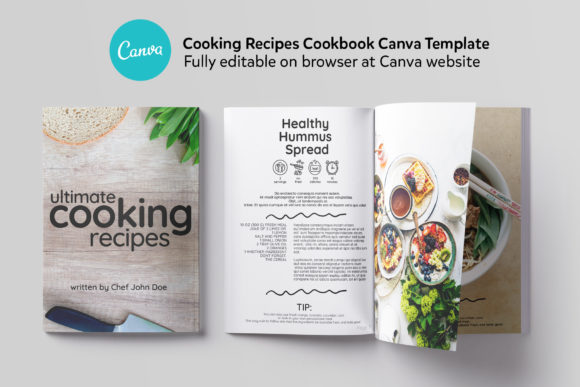
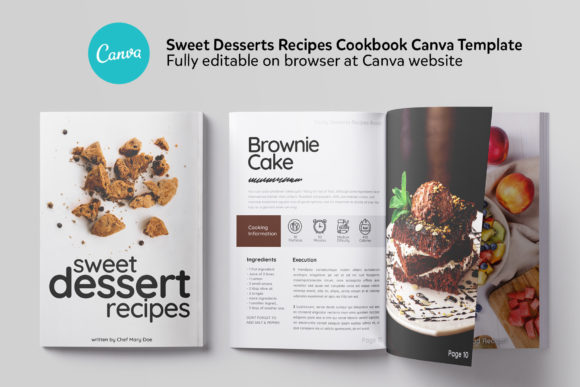
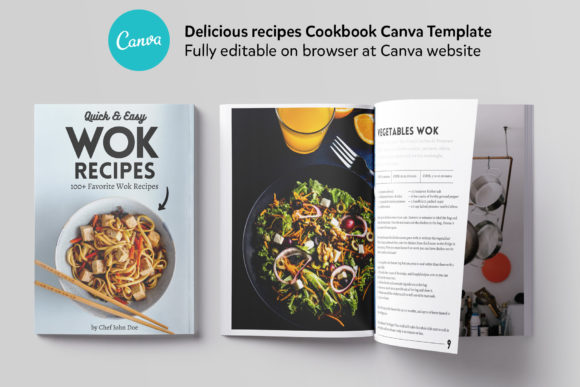
This is more than a blank notebook. The Canva Wok Recipes Cookbook template is a thoughtfully constructed 22-page layout system. Its visual personality balances clean, modern typography with ample white space, ensuring your food images remain the hero. The style is versatile—approachable enough for a personal food blog yet polished enough for a professional chef's portfolio or a small-batch cookbook for sale. The overall appeal lies in its blend of structure and flexibility. It provides a consistent visual language—think harmonious font pairings and a cohesive color palette—while allowing every element to be customized to match your unique brand identity.
The template includes all the essential pages a complete recipe book needs: a striking cover, an editorial page to set the tone, an "About the Author" section to connect with your readers, a detailed table of contents, and six distinct recipe page layouts. These layouts are crucial. They allow you to vary the presentation of your content, preventing monotony and letting you choose the best format for each recipe—whether it's a complex multi-step dish or a simple, elegant dessert. This thoughtful editorial design approach elevates your content from a simple collection of notes to a published work.
Practical Applications for Creators and Businesses
The true value of a design asset like this is its real-world utility. For a food blogger, this template is a game-changer for creating lead magnets. Offer a beautifully formatted mini-cookbook in exchange for email sign-ups, instantly growing your audience with a high-value item. Instagram food influencers can use it to create downloadable recipe guides for their followers, adding a new revenue stream or a powerful incentive for engagement. The A4 page size makes it perfect for both digital PDF distribution and professional printing.
For chefs and restaurant owners, it serves as a polished internal tool or a customer-facing gift. Imagine presenting a new tasting menu to potential clients or offering a seasonal recipe booklet as a takeaway. The professionalism it conveys directly impacts brand perception. Small business owners selling artisanal sauces, spices, or kitchenware can bundle this template with their products, providing customers with inspiring ways to use their purchases, thereby enhancing the product's value and fostering brand loyalty. The template's clean web design-inspired aesthetic also translates beautifully to screen, making it ideal for digital portfolios and social media graphics previews.
Maximizing the Template for Impact and Readability
Simply inserting your text and photos isn't enough to maximize impact. To use the Canva Wok Recipes Cookbook effectively, consider visual hierarchy. Use the provided headings to guide the reader's eye from the recipe title down to the instructions. The included styles offer a natural flow; trust them. Ensure your ingredient lists are clear and scannable. The template's typography is chosen for readability, but always preview your pages at 100% zoom to check line spacing and font size, especially for body text.
Think about font pairing within your customization. While the template comes with pre-selected fonts that work harmoniously, you can swap them to match your brand. If your brand uses a bold display font for logos, consider using a complementary sans serif font for body text to maintain clarity. The goal is consistency. Use the same style for all recipe titles, the same formatting for all ingredient lists. This repetition builds a recognizable structure that makes your content easy to navigate and reinforces your brand identity.
Finally, leverage the included support files. The NOTES FILE with direct links and the TXT file with photo credits are there to streamline your workflow. They ensure you can access the master templates easily and maintain proper attribution for any included design elements, which is a mark of a responsible and professional creator. By approaching the template not as a rigid document but as a flexible system, you can produce a recipe book that feels authentically yours, engages your audience on a deeper level, and serves as a cornerstone of your culinary brand.