Styling Your Sweets: The Canva Desserts Cookbook Template
As someone who has spent years navigating the intersection of culinary arts and digital publishing, I understand the friction that comes with moving from a recipe idea to a polished, marketable product. For food bloggers, pastry chefs, and Instagram influencers, the visual presentation of a recipe is just as critical as the flavor profile. This is where the Canva Desserts CookBook Template enters the conversation. It is not merely a collection of pre-made pages; it is a strategic design asset that bridges the gap between culinary expertise and professional editorial design. The template serves as a foundational framework, allowing creators to bypass the technical hurdles of layout design and focus immediately on content curation and brand storytelling.
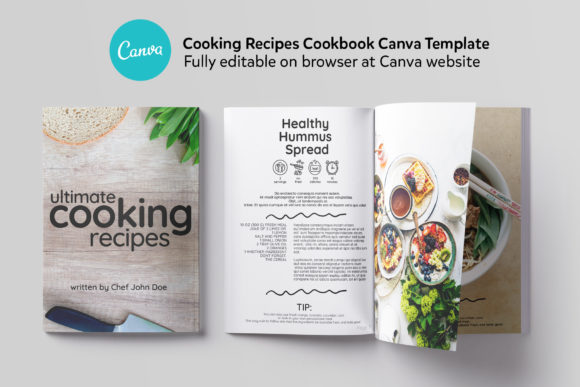
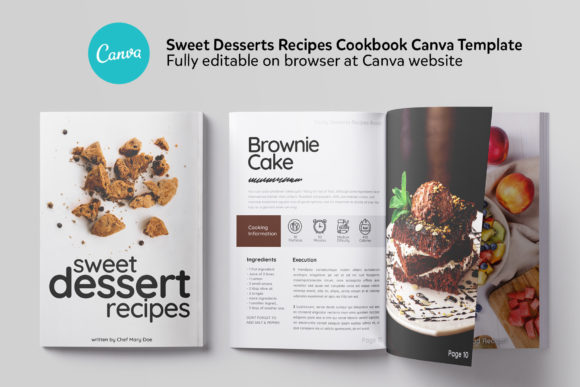
The visual personality of this template is defined by a modern, clean aesthetic that balances whitespace with vibrant food photography. It avoids the cluttered look of older cookbook designs, opting instead for a layout that feels fresh, airy, and highly readable. The style leans into contemporary modern typography, utilizing a mix of serif fonts for headings to evoke a sense of tradition and authority, paired with clean sans serif fonts for body copy to ensure maximum legibility. This combination creates a sophisticated visual hierarchy that guides the reader's eye naturally from the title to the ingredients list, and finally to the cooking instructions. The overall appeal is one of understated elegance, making it versatile enough for a rustic sourdough baker or a high-end patisserie.
Strategic Applications for Food Creators
Understanding where this template works best requires looking beyond simple recipe storage. In the realm of brand identity, consistency is king. The Canva Desserts CookBook Template is designed to be a central hub for your visual language. For the food blogger, this template can be repurposed as a lead magnet—a free PDF download offered in exchange for an email subscription. Because the template is fully editable in A4 (210x297 mm), it translates beautifully from digital screens to print, allowing you to offer a tangible booklet to your most loyal followers. The editorial design principles embedded in the layout ensure that even a simple cookie recipe looks like it belongs in a high-end lifestyle magazine.
For the chef or restaurant owner, the application extends into packaging design and customer retention. You can utilize the 24-page structure to create seasonal menus, holiday gift guides, or loyalty booklets. The four unique recipe layouts provided prevent visual monotony, which is crucial when presenting a multi-course tasting menu. Furthermore, Instagram influencers will find this tool indispensable for social media graphics. By isolating specific pages or elements from the template, you can create cohesive carousel posts or Stories that match the exact aesthetic of your downloadable cookbook, reinforcing your brand identity across platforms.
Design Mechanics: Hierarchy and Readability
A common pitfall in DIY design is the failure to establish a clear visual hierarchy, resulting in content that feels chaotic. The Canva Desserts CookBook Template solves this through intelligent use of modern typography. The interplay between the display font used for titles and the functional body text is calibrated to draw attention without overwhelming the reader. When you upload your own photography, the template’s layout acts as a frame, ensuring that your images remain the hero of the page while the text supports the narrative. This balance is essential for audience engagement; if a recipe is difficult to read or visually cluttered, the user loses trust in the reliability of the instructions.
The template also demonstrates a keen understanding of whitespace. In web design and editorial design, whitespace is not empty space—it is an active design element that gives the content room to breathe. By utilizing the pre-set margins and spacing, you ensure that your cookbook feels professional and easy to navigate. Whether you are using a premium font you purchased separately or sticking with the free fonts available in Canva, the structure of the template enforces a discipline that elevates the final product. It transforms a collection of ingredients into a polished design asset.
Customization and Commercial Potential
One of the most significant advantages of this resource is the ease of customization. The inclusion of a PDF instruction file with direct links to the master templates and a TXT file for photo credits indicates a user-centric approach to design distribution. You do not need to be a graphic designer to manipulate this file. The drag-and-drop interface of Canva allows you to swap out color palettes to match your specific brand identity, change fonts to reflect your unique voice, and reposition elements to fit your photography style.
When considering commercial font usage and licensing, the template provides a safe starting point. However, if you wish to elevate your project further, I recommend experimenting with font pairing. You might pair the existing serif headings with a script font or handwritten font for a personal touch, such as a "Chef’s Note" or a signature. Just be cautious not to sacrifice readability for style. The goal is to maintain the professional standard set by the template. Ultimately, the Canva Desserts CookBook Template is more than just a layout; it is a launchpad for entrepreneurs looking to monetize their culinary skills through publishing, digital products, or enhanced client presentations.